Greenhouse gas emissions to be reported
South African companies, who are among the highest per capita carbon emitters in the world, will soon be compelled by law to tell the government how much greenhouse gas they emit every year.
The draft regulations, published for comment on Tuesday, will come into effect in January 2015. The public has 60 days to comment on the draft. Witi did not expect public opposition to making it a legal requirement to report greenhouse gas emissions.
The regulations will set thresholds for greenhouse gas emission reporting, and only those who exceed the thresholds will be required to submit an inventory of their emissions.
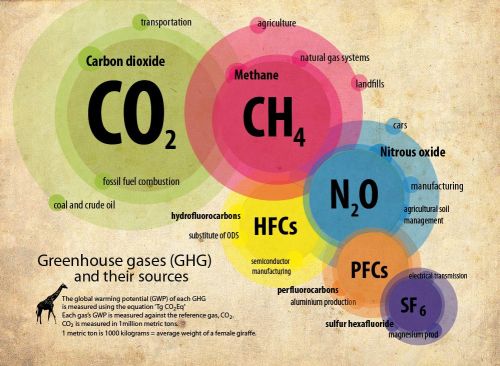
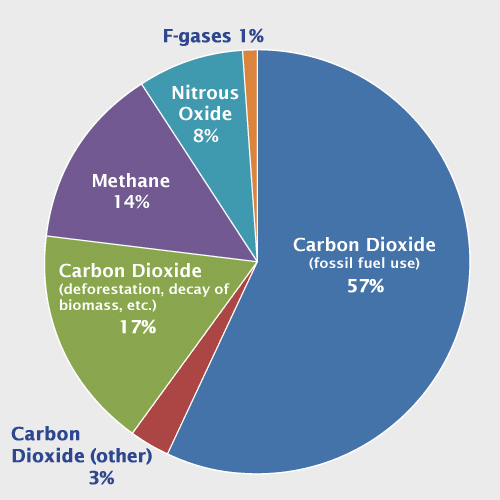
The main greenhouse gas emissions which will required reporting are carbon dioxide, methane, nitrous oxide and HFCs used in refrigeration and air-conditioning.
Who will need to report
The sectors that will be compelled to report are energy, industry, agriculture, waste and transport, and includes clay brick manufacturing. The purpose is to build up an annual greenhouse gas inventory, an international obligation under the UN Framework Convention on Climate Change.
There will be some sectors of the food industry that will have to report, such as the poultry industry and beer producers, because they use boilers which may fall above the reporting threshold.
Municipalities will be required to report emissions from waste, and so will some industries which have their own wastewater treatment facilities. The most significant greenhouse gas from waste is methane – which is far more potent a greenhouse gas than carbon dioxide, but does not remain in the atmosphere for as long.
Civil aviation, cars, railways, ships and other transport will have to report emissions.
With airlines it is difficult to separate the domestic and international travel, so the average fuel consumption of the different aircraft will be used. Airlines will need to report their fleet composition and landings and take-offs.
The method of recording will be standardised, in line with the UN’s Intergovernmental Panel on Climate Change (IPCC) technical guidelines designed for this purpose.
Although the regulations will become effective on January 1, there will be a period of grace until March 31 to submit emissions of 2014.
While the Department of Environmental Affairs has been collecting this information for many years, and many industries other sectors have submitted their greenhouse gas emissions, the picture of the country’s emissions was incomplete because it was not compulsory to submit emissions records, Witi said.
Even with this incomplete picture, the country’s greenhouse gas emissions increased by 24.9 percent between 2000 and 2010.